Beyond price per kilogram
How powder-based manufacturing is helping America build again, and why the powder price is the wrong number to watch.
Read the articleMaterials scientist and advanced-manufacturing researcher. I use materials science, from metallurgy to powders, to make metal parts that build right, from feedstock and melt pool to qualified components.

My work sits where materials science meets the factory floor. Each area below links to the evidence: projects, figures and papers.
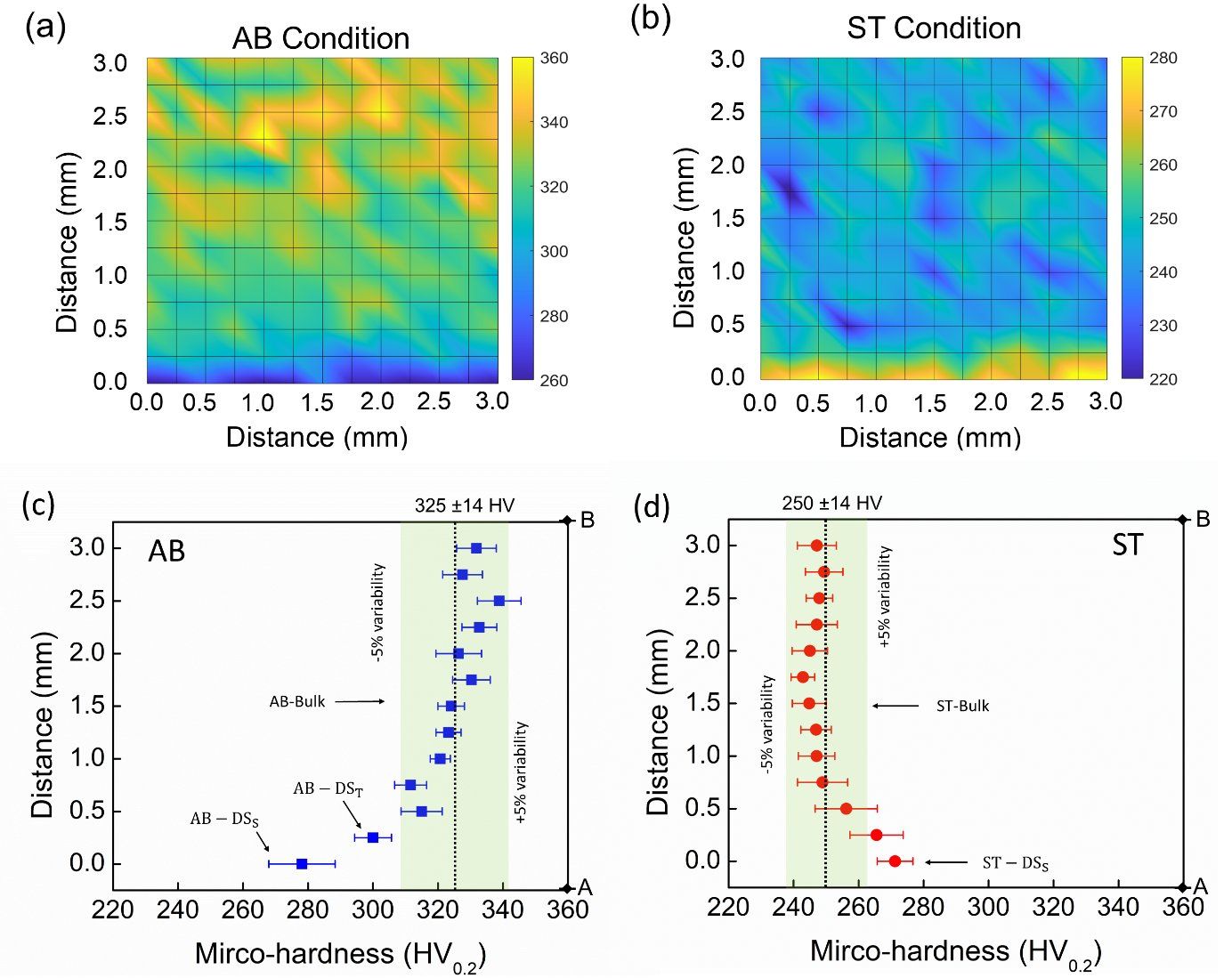
Physical, pyro-, process, mechanical and powder metallurgy, and advanced characterization: how alloys solidify, transform, deform, fail and are made from powder.
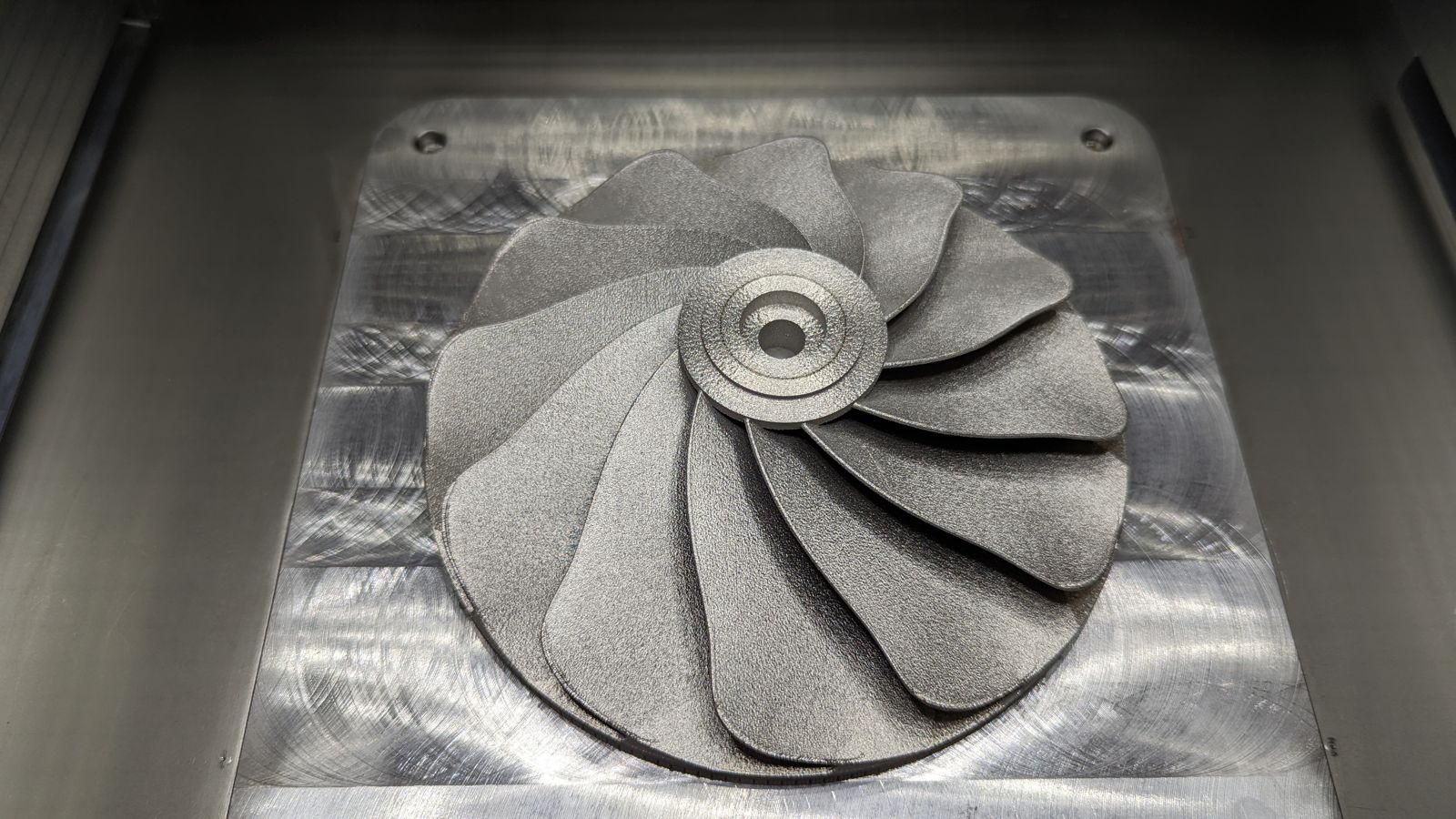
Process windows, support-free overhangs and real parts: impellers, domes, manifolds, from build preparation to finished component.
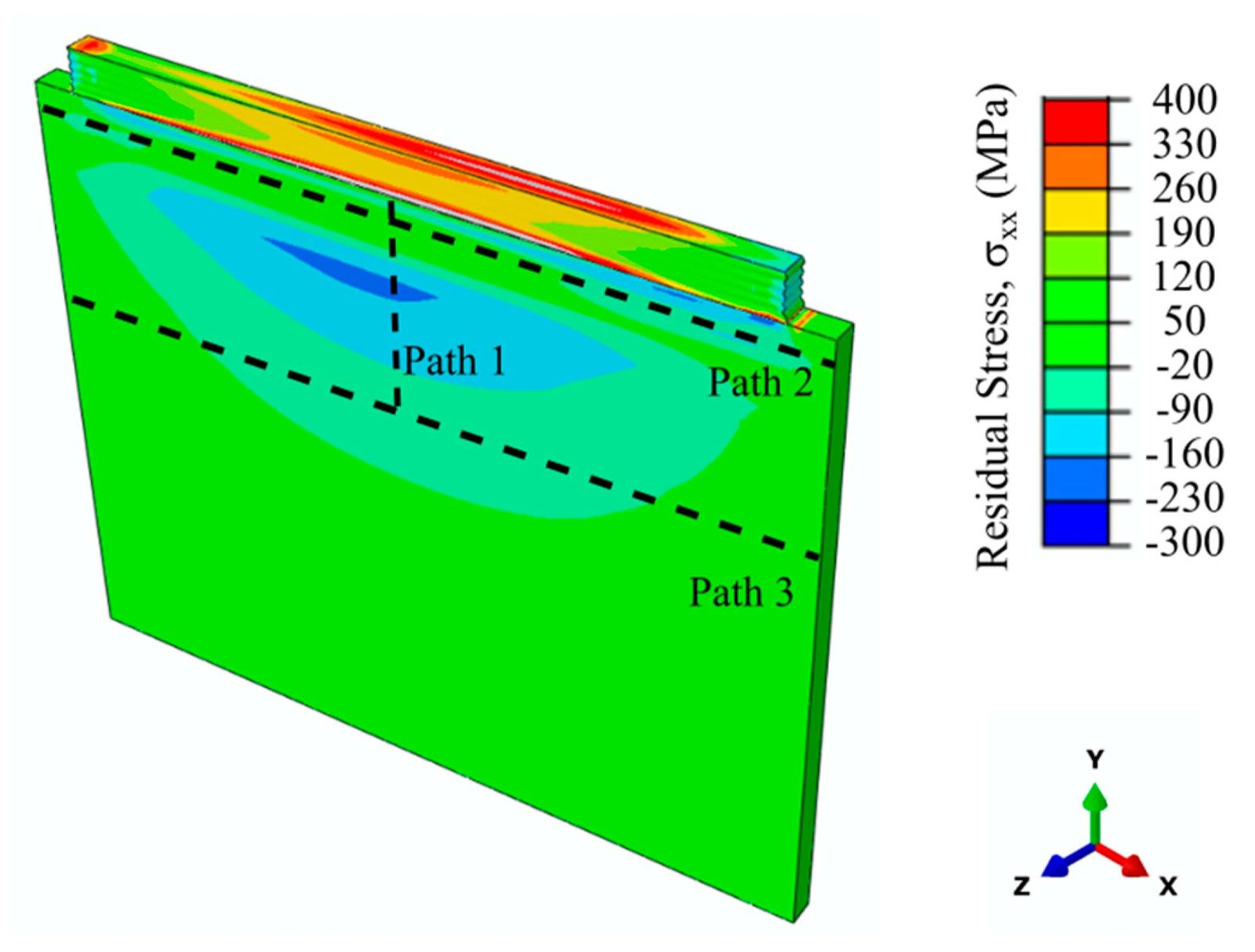
Where residual stress comes from in thermo-mechanical processes, how to measure it, and how to design it out. Author of the ASM Handbook chapter.
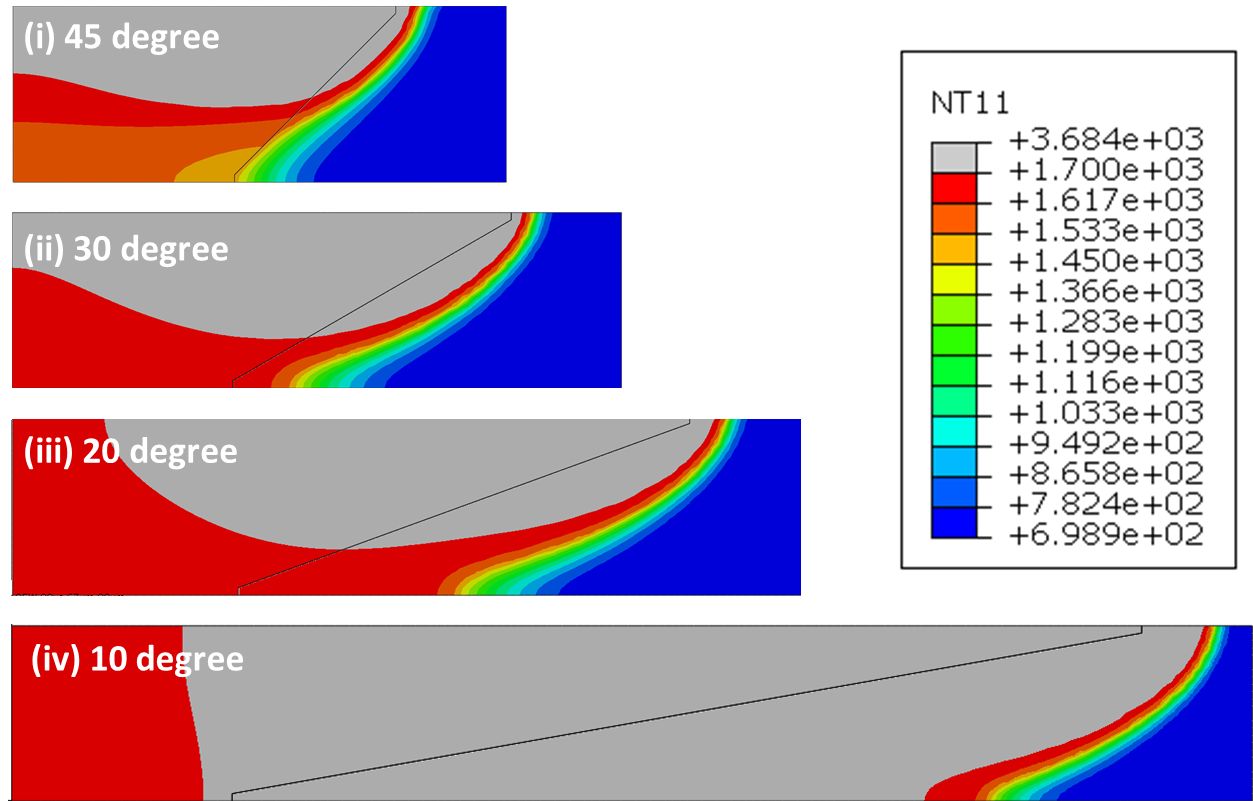
Thermo-mechanical FEM, powder-scale modelling, statistics and machine learning for process decisions.
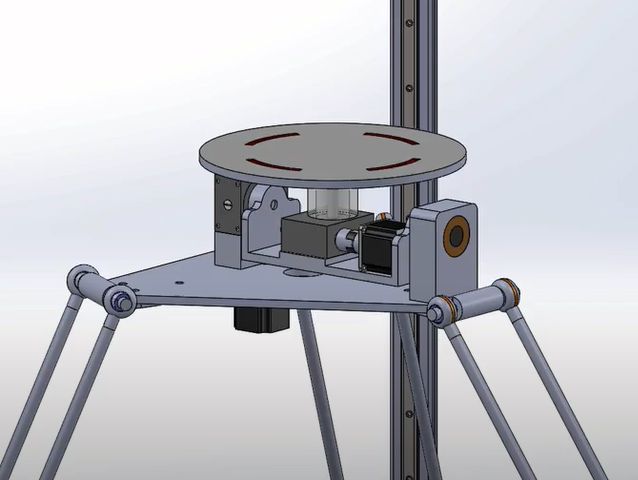
Machine design, assemblies and machining, powder manufacturing and characterization, robot path planning, CMM inspection.
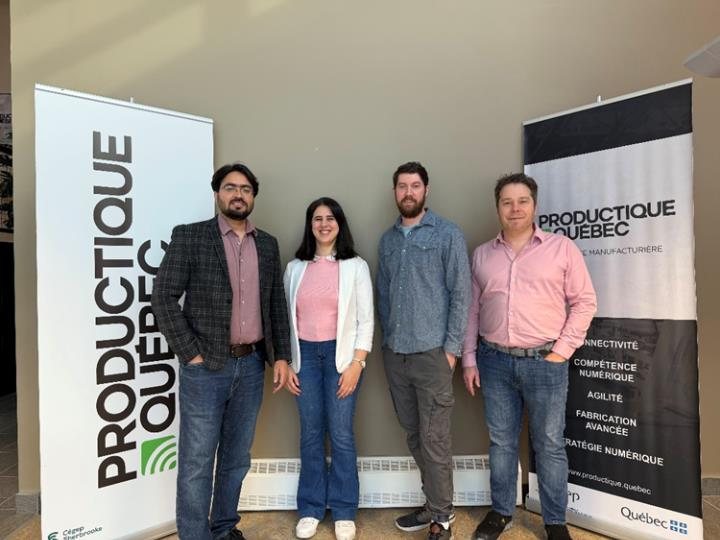
Scoping industrial R&D, technology and market assessments, powder economics, and representing AM capabilities to partners.
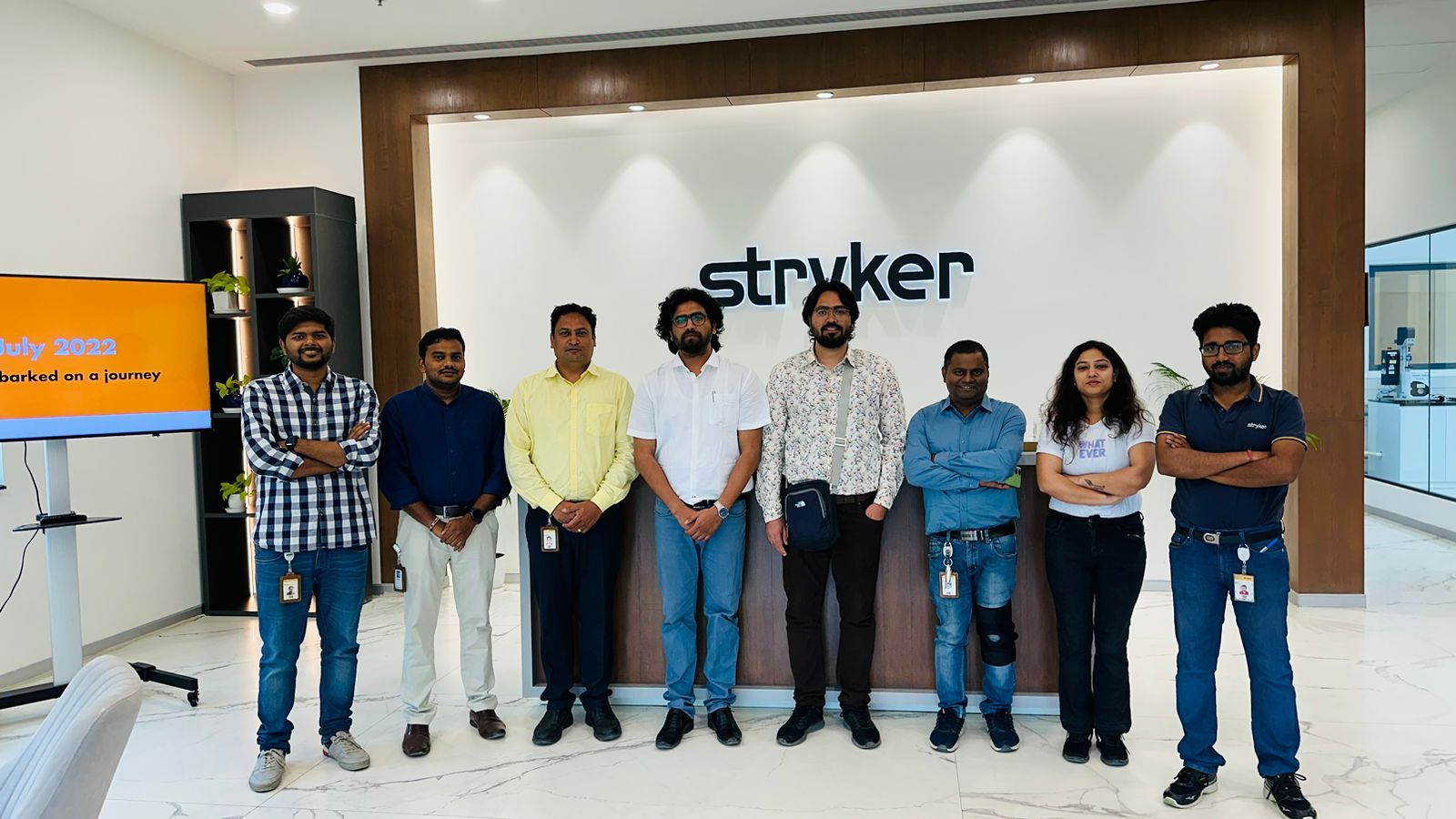
LPBF and DfAM courses for industry engineers, robotics training for doctoral researchers, university teaching.
Three projects that show the range: a manufacturing method, an industrial framework, and an instrument.
McGill University, 2018–2024
Supports are the hidden cost of laser powder bed fusion: they waste powder and machine time, and internal ones cannot be removed at all. I developed a geometry-based feed-forward laser strategy that prints overhangs down to 5° without supports, then took it from test bars to full-size closed impellers.
IN625 impeller with 790 MPa yield strength, 1040 MPa UTS and 45% elongation. Patent application US20230405681A1.
Read the case study or read the thesis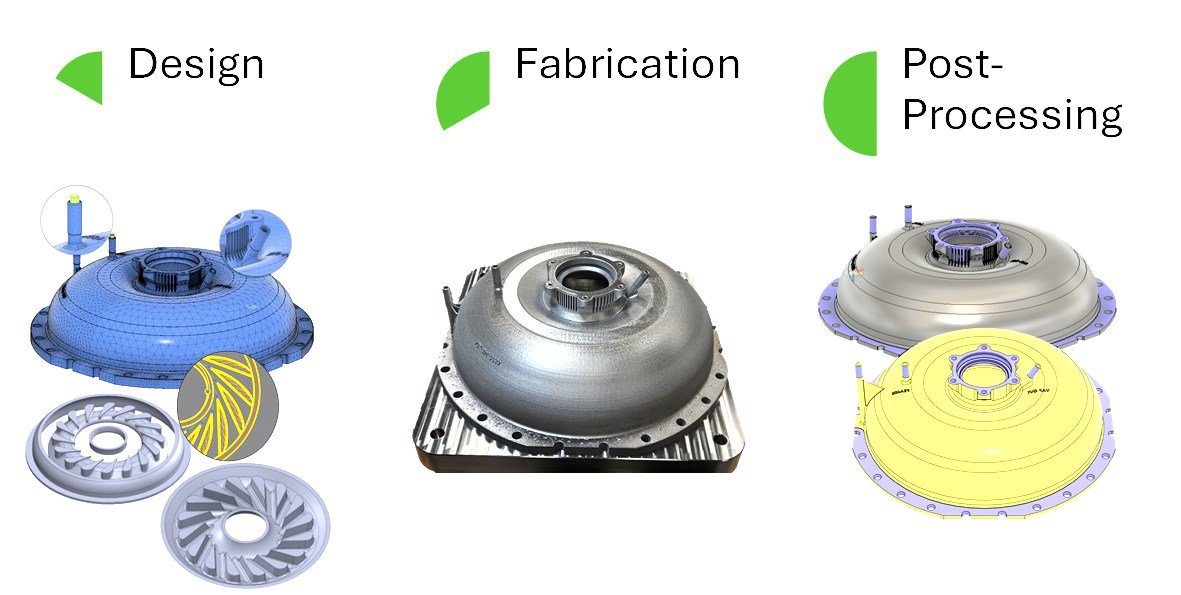
Productique Québec, 2025–2026
Generic design-for-AM rules ignore the machine and the alloy. I built a machine- and material-specific framework for IN625 on a Renishaw AM400 and used it to take Exonetik’s full-scale swirler from concept to a machined, flow-tested part.
≥99.9% density, NIST-bridge distortion reduced to about 1.06 mm, surface roughness from Ra 20 µm to Ra 7 µm. Presented at HI-AM 2.0, 2026.
Read the case study or see the slides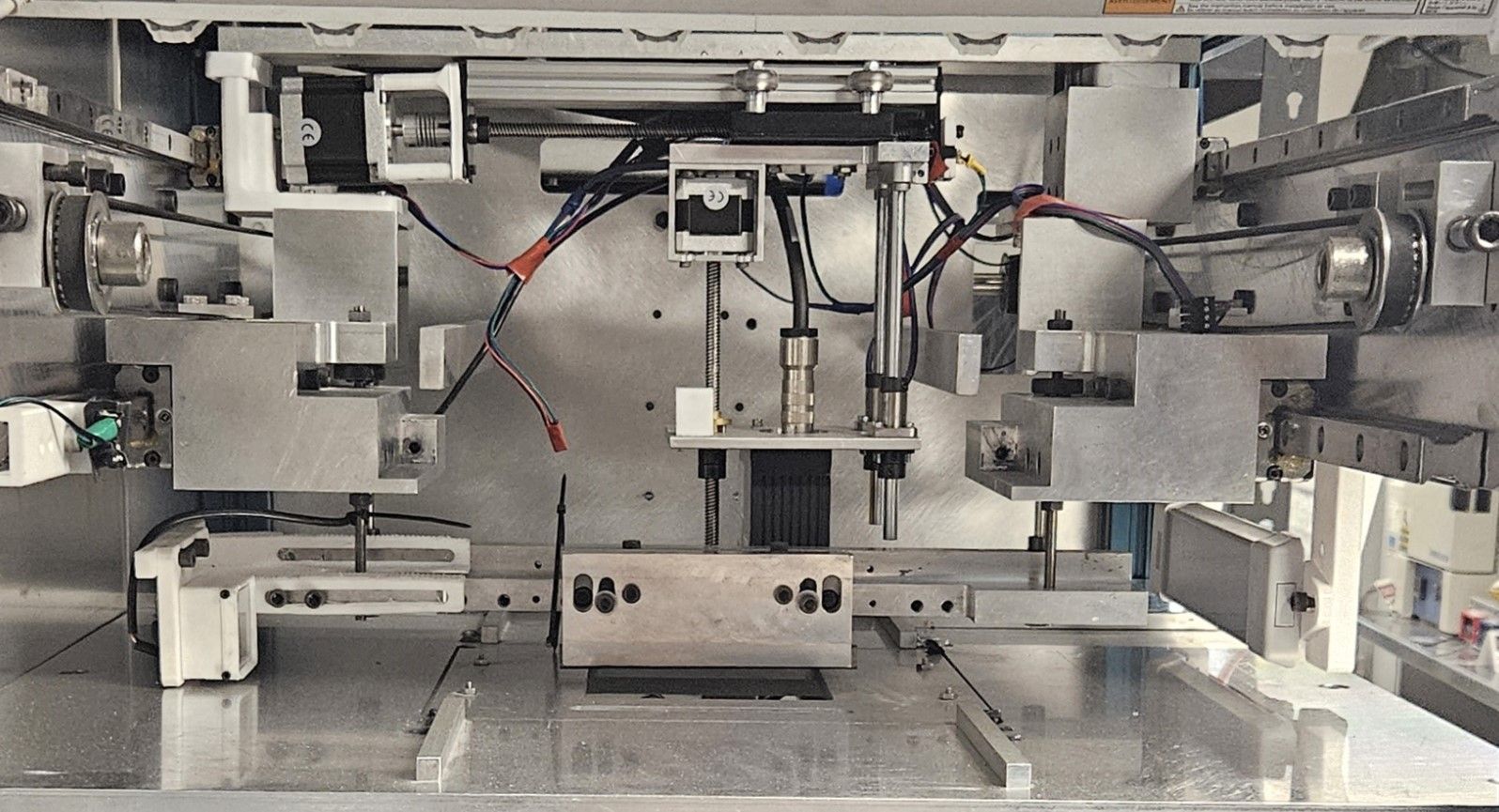
B3D Performance, 2018–2021
Part quality starts with how densely each powder layer is spread. I designed, built, automated and calibrated an instrument that measures powder-layer density in 10–250 µm layers.
Patent application US20220023951A1. The prototype won McGill’s Dobson Cup in 2020.
Read the case studyTechnical articles on what the papers leave out: economics, design trade-offs, and lessons from the lab.
Read perspectivesHow powder-based manufacturing is helping America build again, and why the powder price is the wrong number to watch.
Read the articleWhy the 45-degree rule exists, when you can break it, and what breaking it really costs.
Read the articleAn honest look at where the money goes in laser powder bed fusion.
Read the article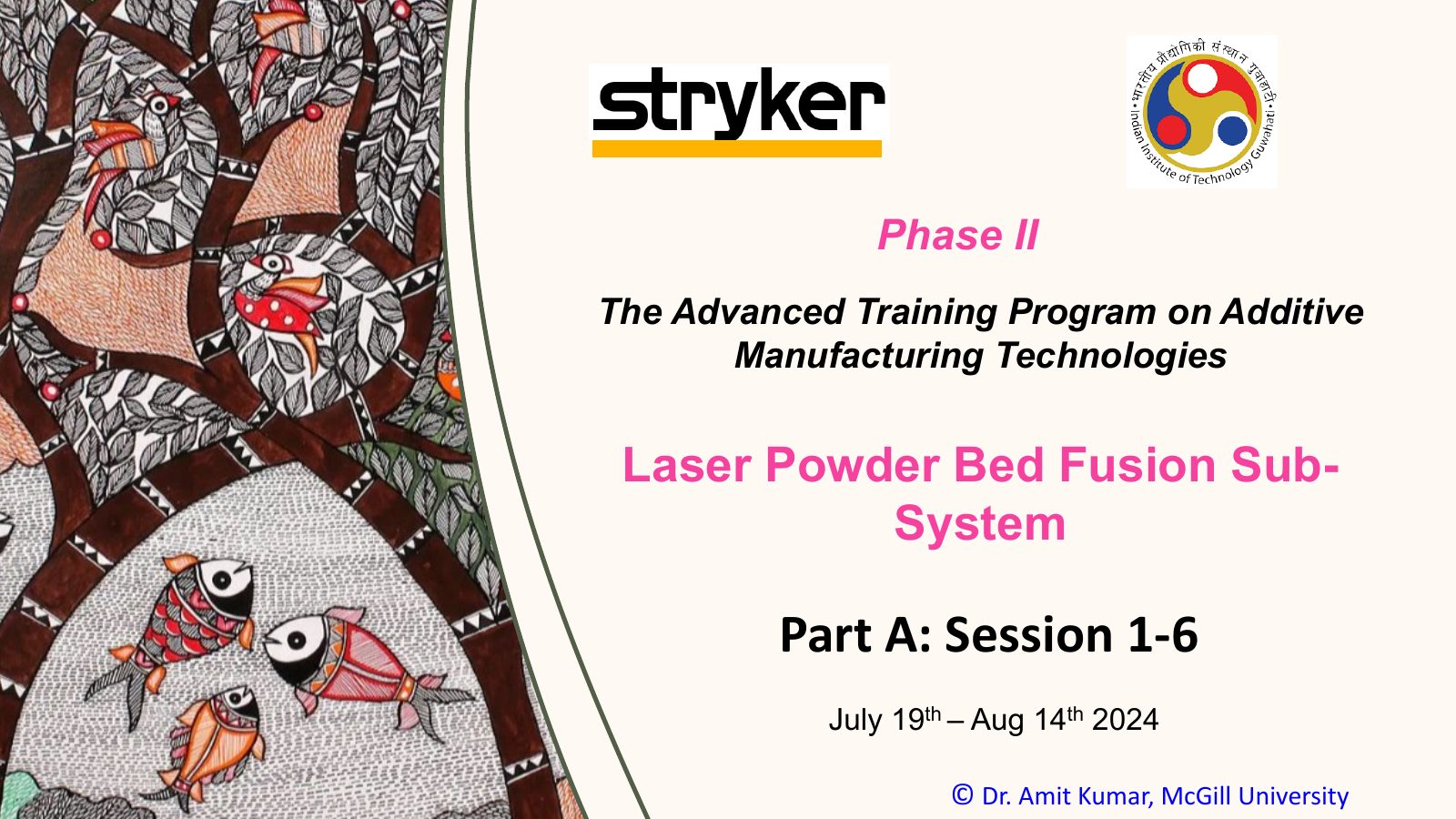
I offer courses in laser powder bed fusion, materials characterization, powder, process parameters, DfAM, simulation and robotic deposition, from a one-day workshop to a full program.
Most recently I designed and delivered a four-week, 360-slide LPBF program for Stryker engineers.
For almost a year I spent my Friday evenings cooking for people who needed a hot meal.
Food and education matter to me as much as research. I have cooked and served meals with church and community kitchens in Montréal, and taught children and night-school students.
More about what I care aboutOpen to research and industry roles in materials science and advanced manufacturing, and to collaborations.